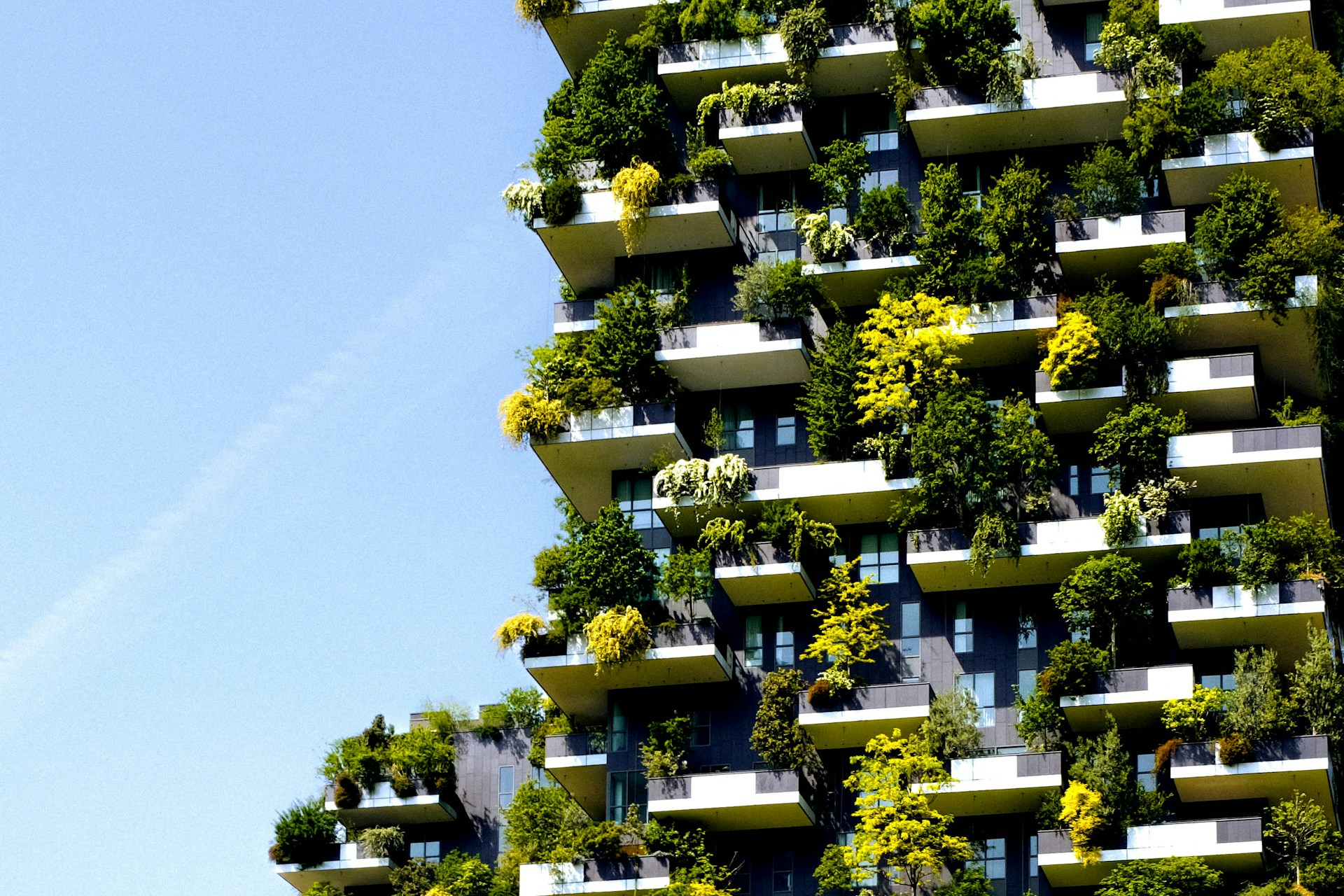
Sustainability has moved from a nice idea to a real expectation in today’s property market. Buyers, tenants, and investors now care about how buildings affect the planet and the people inside them. Sustainable real estate development has become a practical way to lower costs, protect resources, and create spaces that feel healthier to live and work in. It also helps property owners stay competitive in a market that rewards long-term thinking.
At the same time, sustainability is no longer limited to luxury projects or large corporations. Smaller developers and individual property owners are also finding ways to apply innovative practices that make sense financially. With the right choices, real estate can support both environmental goals and steady returns without sacrificing comfort or design.
Why sustainability now shapes property decisions
Real estate decisions today look very different from those made twenty years ago. Energy prices fluctuate, climate concerns grow, and regulations continue to tighten. Because of this, sustainability now shapes property decisions at every level, from site selection to daily operations. People want buildings that cost less to run and feel safe for the future.
In addition, sustainable choices often reduce risk. Properties that waste energy or ignore environmental impact may face higher operating costs and lower demand. On the other hand, efficient buildings tend to attract long-term tenants and buyers who value stability. This shift has pushed sustainability into the center of real estate planning rather than keeping it on the sidelines.
Energy efficiency is the foundation of green buildings
Most sustainability efforts begin with energy use. Heating, cooling, and lighting account for a large share of property expenses. Improving insulation, sealing air leaks, and using energy-efficient systems can quickly cut costs. These upgrades also improve comfort, which tenants notice right away.
Bright lighting and modern HVAC systems allow owners to control energy use more precisely. Timers, sensors, and smart thermostats reduce waste without reducing convenience. Over time, these changes lower utility bills and reduce strain on local energy systems, which benefits both owners and communities.
Sustainable materials and responsible construction choices
What a building is made of matters just as much as how it operates. Sustainable materials reduce environmental impact during construction and throughout the life of the property. Recycled steel, low-emission paints, and responsibly sourced wood all support healthier indoor environments.
Choosing durable materials also reduces maintenance and replacement costs. When floors, roofs, and fixtures last longer, fewer resources are consumed over time. This approach supports both sustainability goals and long-term financial planning, making it easier to justify the upfront investment.
Water conservation strategies that make sense
Water use often receives less attention than energy, yet it plays a significant role in sustainability. Low-flow fixtures, efficient irrigation, and water-smart landscaping can dramatically reduce consumption. These strategies help properties perform better in regions where water costs continue to rise.
Rainwater collection and greywater systems offer additional options in some areas. While not every property can use advanced systems, even small steps like fixing leaks and installing efficient fixtures can deliver noticeable savings and environmental benefits.
Healthy indoor spaces improve daily life
Sustainability is not only about the environment outside a building. It also focuses on the health of the people inside. Natural light, clean air, and non-toxic materials create spaces where people feel better and work more comfortably.
Good ventilation reduces indoor pollutants and moisture buildup. Proper lighting supports mood and productivity. These features may seem subtle, but they strongly influence how occupants experience a space. Healthier environments often lead to higher tenant satisfaction and longer lease terms.
Technology supports more innovative property management.
Modern technology plays a key role in sustainable real estate. Property management systems track energy use, water consumption, and maintenance needs in real time. This data helps owners identify problems early and adjust operations quickly.
In the middle of many sustainability plans, green building management systems help integrate different systems. These platforms connect lighting, climate control, and security into one coordinated network. As a result, managers can reduce waste while maintaining occupant comfort and safety.
Financial benefits that extend beyond savings
Many people assume sustainability costs more, but the financial picture tells a broader story. While some upgrades require upfront investment, long-term savings often outweigh initial costs. Lower energy bills, reduced maintenance, and stronger tenant demand all support healthier cash flow.
In addition, many regions offer incentives for sustainable upgrades. Tax credits, rebates, and financing programs can reduce costs and improve returns. Properties with firm sustainability profiles may also retain value better during market shifts, adding another layer of financial protection.
Sustainability and community impact
Sustainable real estate does not operate in isolation. Buildings influence traffic, air quality, and local resources. When developers consider these factors, they help create stronger and more resilient communities.
Mixed-use developments that encourage walking, public transit access, and shared spaces reduce reliance on cars. Green spaces and thoughtful design improve neighborhood appeal. These choices support both environmental goals and social well-being, which strengthen community ties.
Regulations and standards guide better practices
Governments and industry groups increasingly support sustainability through codes and standards. Energy efficiency requirements, emissions limits, and reporting rules continue to evolve. While these regulations may feel challenging, they also provide clear direction.
Standards such as LEED or ENERGY STAR offer frameworks that help owners measure progress. Even when certification is not pursued, these guidelines can inform smarter decisions and improve overall performance.
Retrofitting existing properties for sustainability
New construction often gets the spotlight, but existing buildings offer enormous opportunities for improvement. Retrofitting older properties with modern systems can significantly reduce environmental impact. Simple changes, such as insulation upgrades or efficient lighting, often deliver fast results.
Owners do not need to do everything at once. Phased improvements allow sustainability efforts to align with budgets and renovation schedules. This approach makes sustainability more accessible and realistic for a wide range of property types.
The role of education and awareness
Sustainable buildings perform best when people know how to use them. Educating tenants and staff about energy-saving features and best practices improves results. Clear communication encourages responsible behavior and reduces misuse of systems.
Simple guides, signage, and onboarding materials can make a difference. When occupants understand how their actions affect energy and water use, they often take pride in supporting sustainability goals.
Long-term vision shapes lasting success
Sustainability works best when it becomes part of a long-term strategy rather than a one-time project. Owners who plan for future upgrades, maintenance, and evolving standards stay ahead of change. This mindset supports steady improvement instead of reactive fixes.
In the final phase of any sustainability journey, a long-term sustainable property strategy helps align environmental goals with business objectives. This balance ensures that properties remain efficient, attractive, and resilient for years to come.